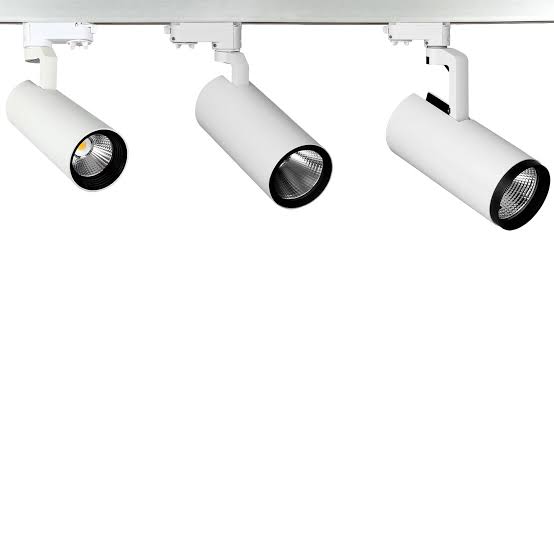
Retail Track Lights Fail the Brand Test When Beam Quality Is an Afterthought
The first sign of a poor match is often blamed on the product: not enough power, an awkward fit, inconsistent output or disappointing service life. In retail and architectural LED lighting, the cause is frequently the surrounding setup. Retail lighting is part of the product presentation. A harsh beam can flatten texture, distort colour and create a bright spot that is impressive on a meter but unpleasant in the aisle.
Put the real product through the machine
The avoidable mistake is selecting color temperature and wattage without checking optics, color fidelity, glare, bin consistency and visual comfort. Before comparing products, sketch the surrounding system: available space, incoming material or information, the people using it, the busiest normal day and the cost of a poor result. This turns a vague preference into a brief that another person can verify.
This is also the point where a detailed brief saves more time than another round of general quotations. A good conversation should narrow the choice, not add more impressive-sounding features.
A useful test is deliberately inconvenient
- Beam spread and edge quality: Ask for the normal range of beam spread and edge quality, then ask what happens just outside it. The second answer often reveals how gracefully the product handles everyday variation.
- CRI and special color rendering: Write one pass-or-review rule for CRI and special color rendering. It need not be complicated, but it should be clear enough that a colleague can reach the same conclusion.
- Glare and fixture aiming: Glare and fixture aiming comes first because it affects color consistency across batches. Define an acceptable result for supermarket accent lighting rather than borrowing a number from an unrelated project.
- Color consistency across batches: Treat color consistency across batches as an operating question. Ask what a regular user will see when the workload resembles galleries and showrooms, and note who can correct the result if it drifts.
- Driver flicker and dimming compatibility: Do not leave driver flicker and dimming compatibility inside a sales promise. Put the quoted configuration through a small trial and preserve the drawing, screenshot, sample or reading that supports the decision.
Fashion displays, galleries and showrooms and supermarket accent lighting may all use products from the same category, but they do not place the same demands on design, setup or support. Rank the five points above for the intended application; do not give them equal weight merely because they appear in the same list.
A quick scenario check
Picture the product in fashion displays. Now change the setting to galleries and showrooms. The specification may be unchanged, but the priority, operator behaviour and acceptable compromise can move considerably. Finally consider supermarket accent lighting: what would have to be adjusted, documented or supported for the same choice to remain sensible? Walking through those three situations is a useful way to uncover an assumption that a generic comparison misses.
A sensible next conversation
Bring the real application, the top risks and the unanswered questions when speaking with LED track light manufacturer. Ask which parts of the brief are routine, which require adaptation and what should be verified before the final commitment.
A strong decision is not the option with the longest specification sheet. It is the one whose behaviour, limits and support fit the work closely enough that the team can use it with confidence. Keep the brief specific, test the difficult parts and preserve the evidence behind the approval.